
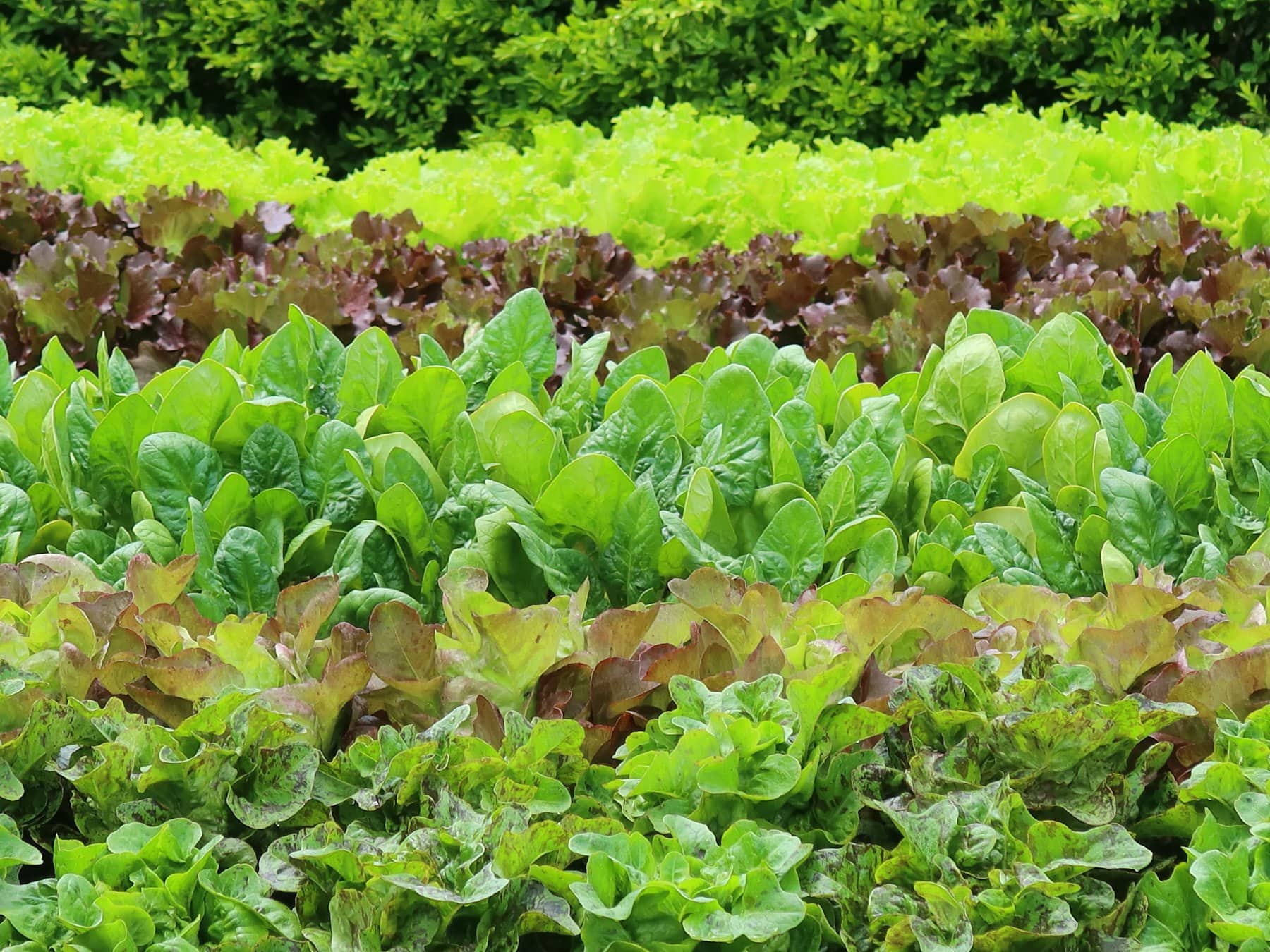
Hydroponics is a soil-free growing method: plants do not grow in the earth, but instead receive the water and nutrients they need directly, in the form of a perfectly measured nutrient solution. In conventional growing, the soil only serves two purposes — holding the plant in place and supplying it with water and minerals. Hydroponics replaces both of these functions with an inert support and a controlled irrigation circuit. The result: a plant fed exactly according to its needs, in a controlled environment.
Long seen as a laboratory curiosity, hydroponics is today a mature sector, used all over the world to produce leafy greens, aromatic herbs, strawberries and tomatoes. In Tunisia, it addresses three concrete challenges: water scarcity, variable soils, and the need for steady, plannable production.
The principle: feed the plant, not the soil
In open-ground growing, the roots explore the soil in search of water and minerals. This search costs the plant energy, and the outcome depends on the quality of the soil, which is often uneven. Hydroponics reverses the logic: a solution containing nitrogen, phosphorus, potassium and trace elements is delivered directly to the roots, at a controlled pH and concentration. The plant finds everything it needs without effort, and devotes its energy to growth.
This explains two characteristics of hydroponics: shorter growth cycles and steady yields. The plant suffers neither the deficiencies of poor soil nor the excesses of poorly managed watering. Everything is measured and adjusted.
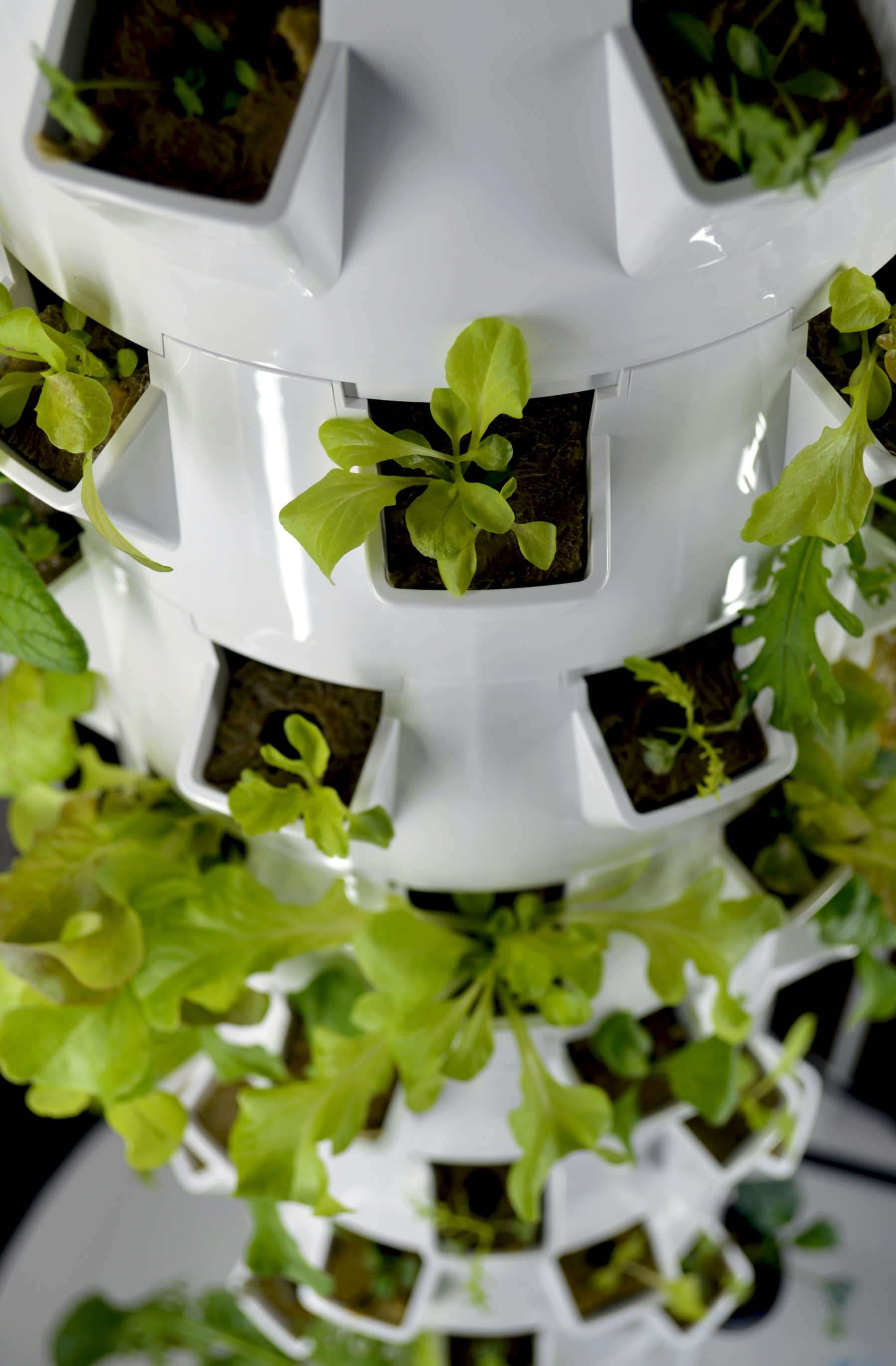
The main hydroponic methods
There is not one single hydroponics, but several techniques, chosen according to the crop and the objective. The most widespread are:
- NFT (Nutrient Film Technique): a thin film of solution flows through inclined channels. Ideal for leafy greens and aromatics such as basil.
- DWC (deep water culture): the roots are submerged in an oxygenated solution. Simple and robust for certain lettuces.
- Substrate growing: the roots develop in an inert support (coconut fibre, rockwool) irrigated by drip, common for tomatoes and strawberries.
In our greenhouses, we install the NFT system, which is particularly well suited to our crops. If you want to understand how it works in detail, we explain it step by step in our dedicated article: the NFT system explained.
The concrete benefits of hydroponics
Beyond the principle, it is the concrete benefits that explain the enthusiasm for hydroponics, particularly in a climate like Tunisia's.
Significant water savings
In open ground, a large part of the irrigation water seeps deep down or evaporates before it can be used. In NFT hydroponics, the circuit is closed: the water the plant does not absorb returns to the reservoir and re-enters the cycle. In a climate where every cubic metre counts, the gap with conventional irrigation is considerable.
Independence from the soil
Since the plant no longer depends on the earth, you can produce on poor, stony land unsuitable for conventional farming. The soil is no longer a constraint: all you need is a location, access to water and access to electricity.
Higher density and consistency
Organised into channels, hydroponic growing places more plants on the same surface area. And because the environment is controlled, production is steady and plannable — a decisive asset for supplying a market reliably. A 200 m² greenhouse holds, for example, 1,652 basil plants: the details are set out on the 200 m² greenhouse page.
Which crops for hydroponics?
Not all plants perform equally well in hydroponics. Leafy and aromatic crops with short cycles are the best performers, because they quickly make the most of the controlled environment. Basil is the textbook example: it is our most documented crop, with yields measured by greenhouse size. Discover the basil crop page and all of our hydroponic crops.
Common misconceptions about hydroponics
'It's artificial', 'it's complicated', 'it's not natural': hydroponics carries a few misconceptions. In reality, the plant grows exactly as it does in nature — it simply has better-managed nutrition. As for the complexity, it comes down mainly to a few technical tasks (balancing the solution, maintaining the circuit) that are learned quickly, provided you are trained on real, hands-on practice rather than on theory.
Where to start your project
The question is not only technical, it is also economic. The right starting point is to size a project according to your land, your budget and the target crop. Three routes to move forward: explore our turnkey hydroponic greenhouses, train through our training centre, or request a free quote to get an initial costed estimate within 48 hours.