Hydroponic crops
One crop at a time, documented with real data.
In NFT, the choice of crop conditions everything: the yield, the cycle and the profitability. We only publish a crop once its data is verified on our own greenhouses — not before.
Why the choice of crop is decisive
In NFT hydroponics, not all crops behave the same way. The nutrient film technique is particularly suited to leafy and aromatic plants with short cycles and a light root system: they quickly make the most of the controlled environment and lend themselves to steady, dense production. Other crops, such as tomatoes or strawberries, are grown rather on substrate.
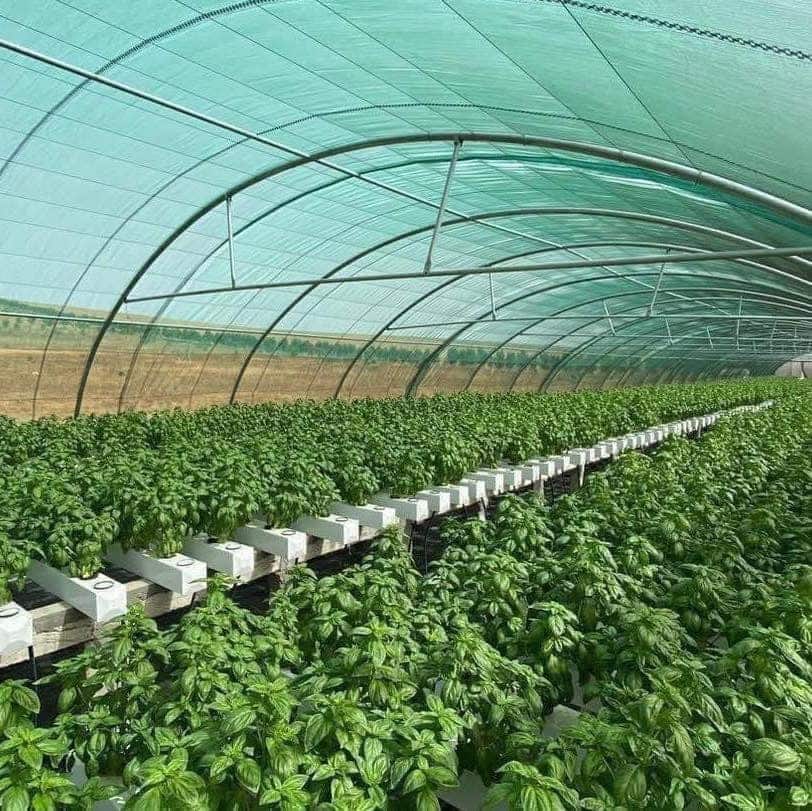
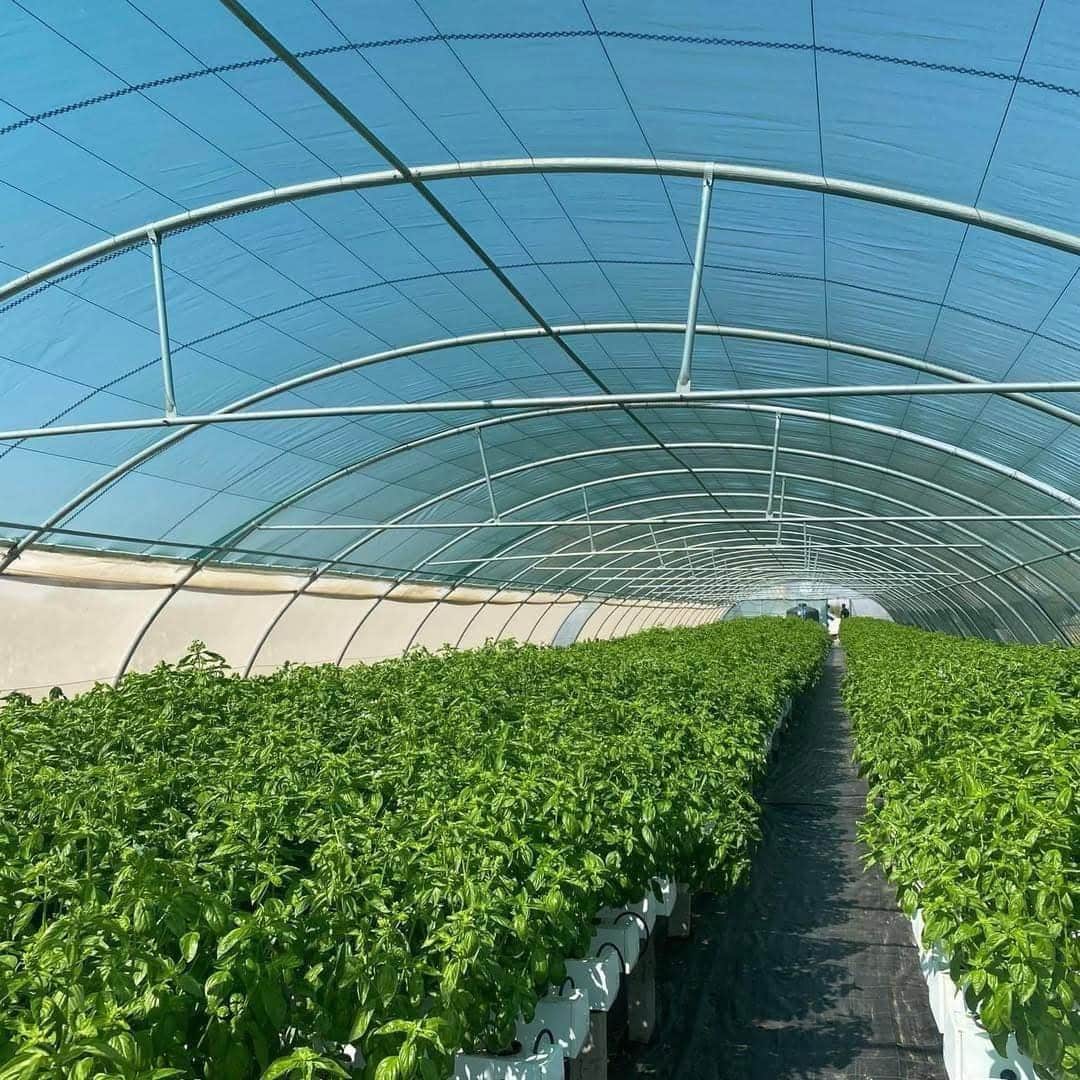
That's why we move forward crop by crop, with real data. Rather than promising theoretical yields, we document each crop on our own greenhouses before publishing it. Basil is today our most documented crop; others will follow as their yield data is validated.
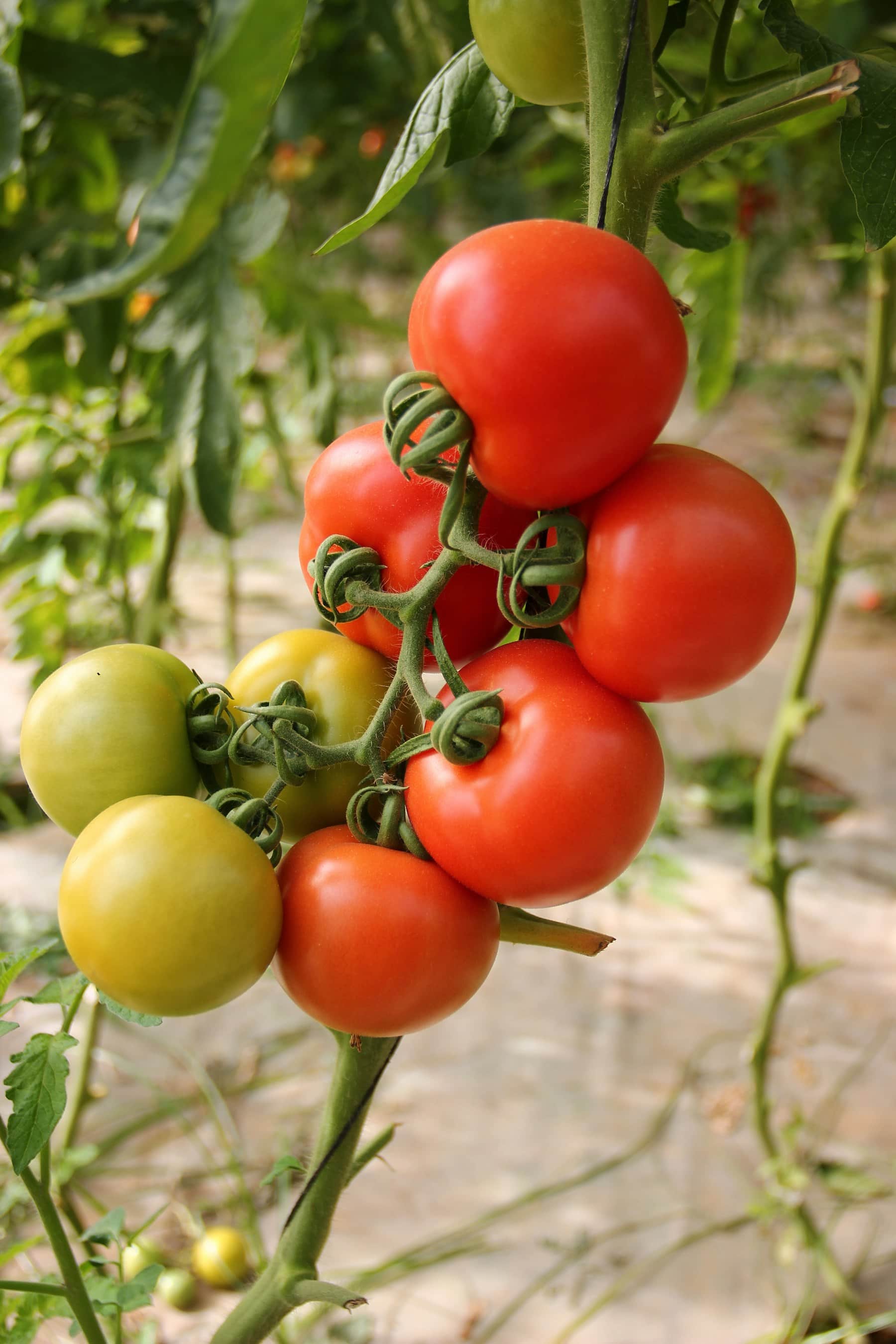
Tomato
A high-demand crop, well suited to NFT hydroponics. Yield data being validated on our own greenhouses.
See the fact sheet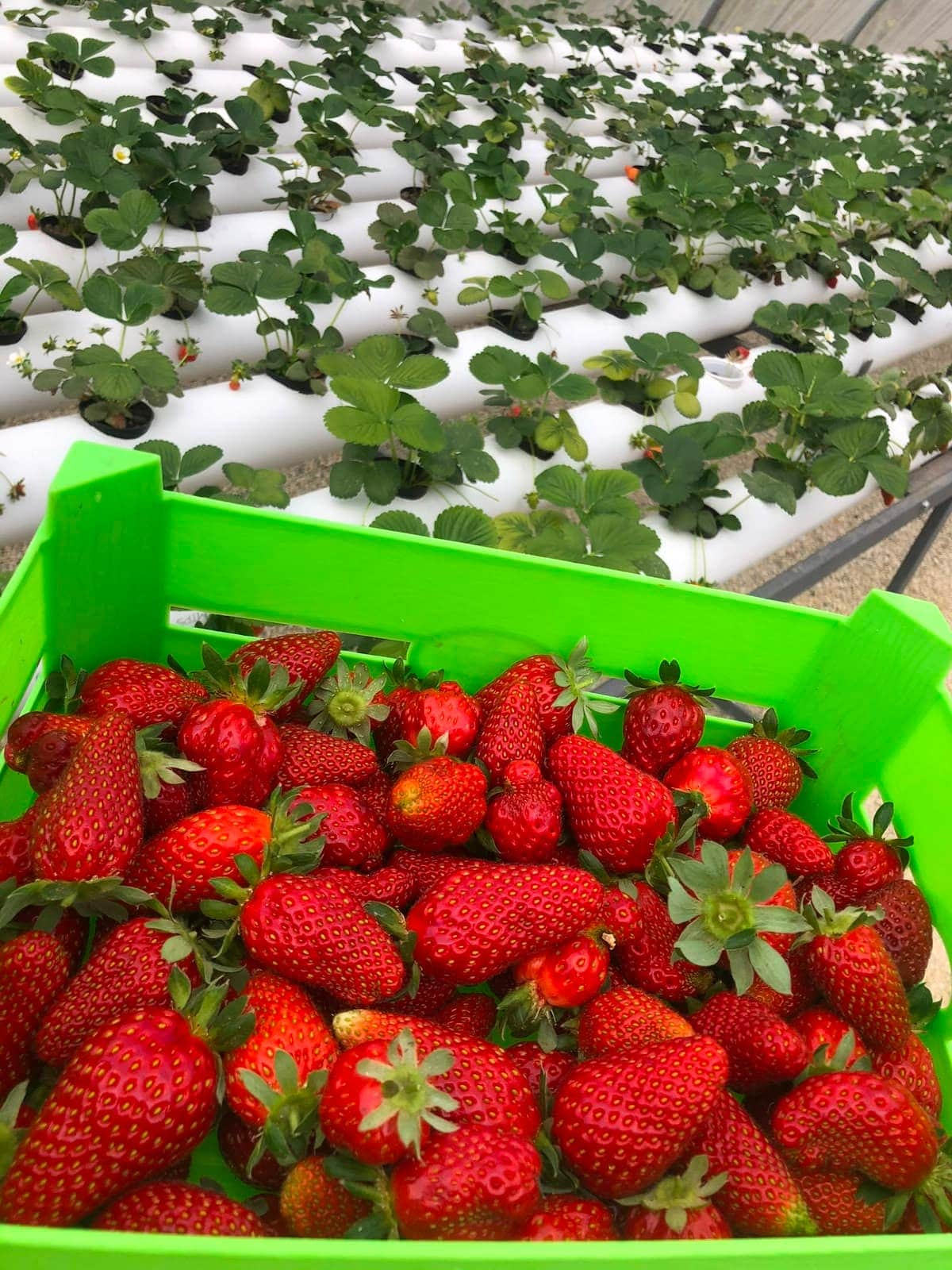
Strawberry
A high-value crop, ideal for hydroponics. Yield data being validated on our own greenhouses.
See the fact sheet
Our crops in pictures
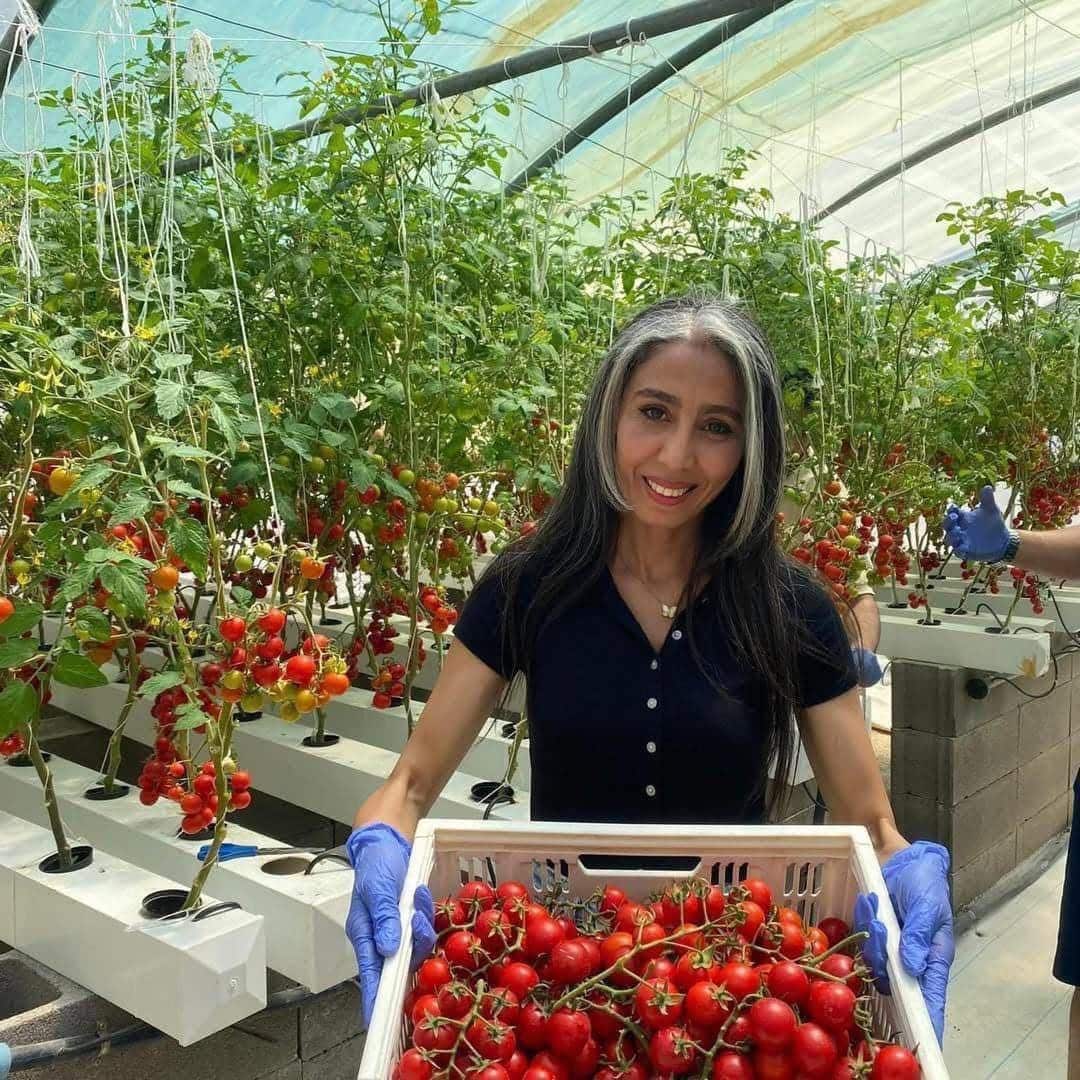
From seedling to harvest: basil, cherry tomatoes and young plants in the nursery.
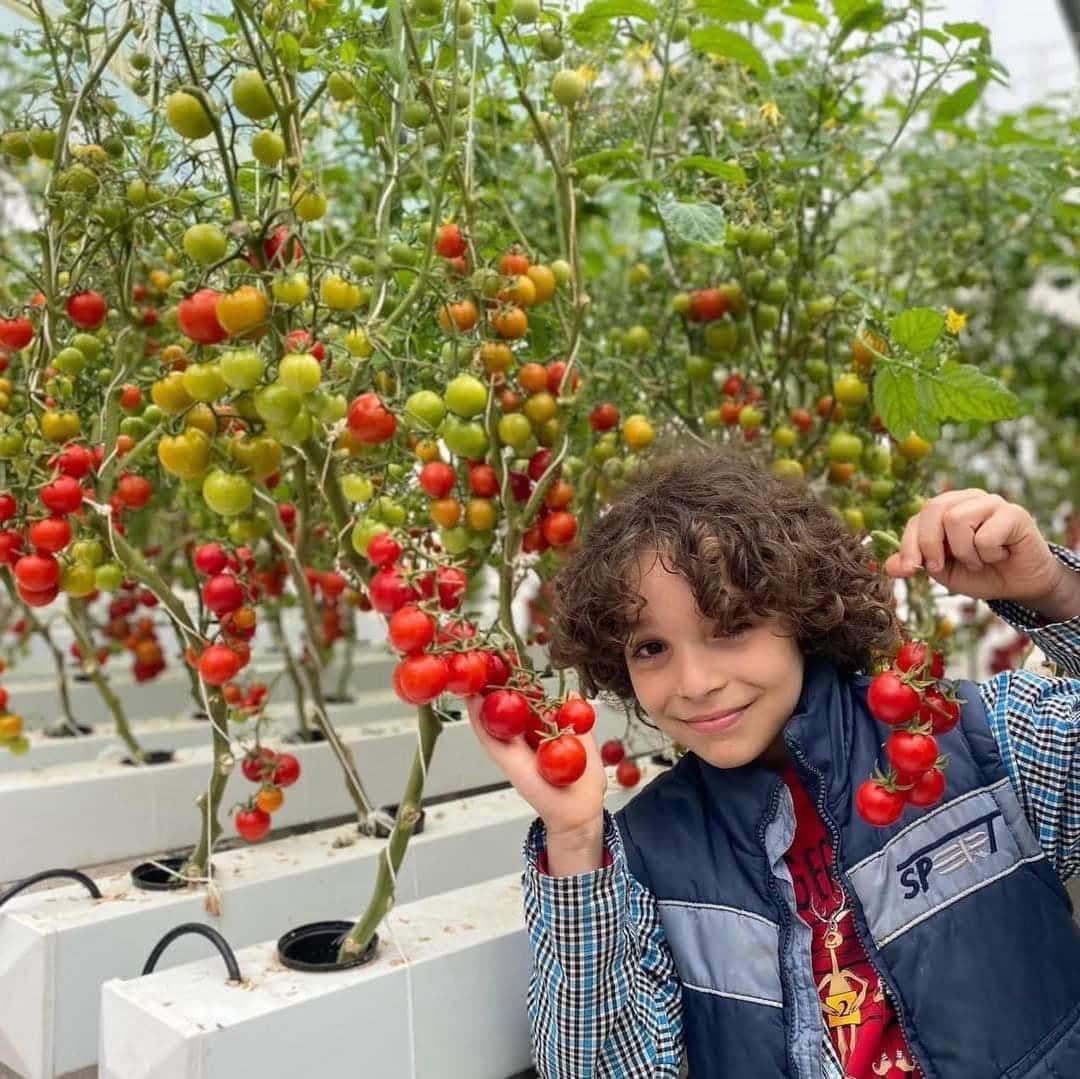
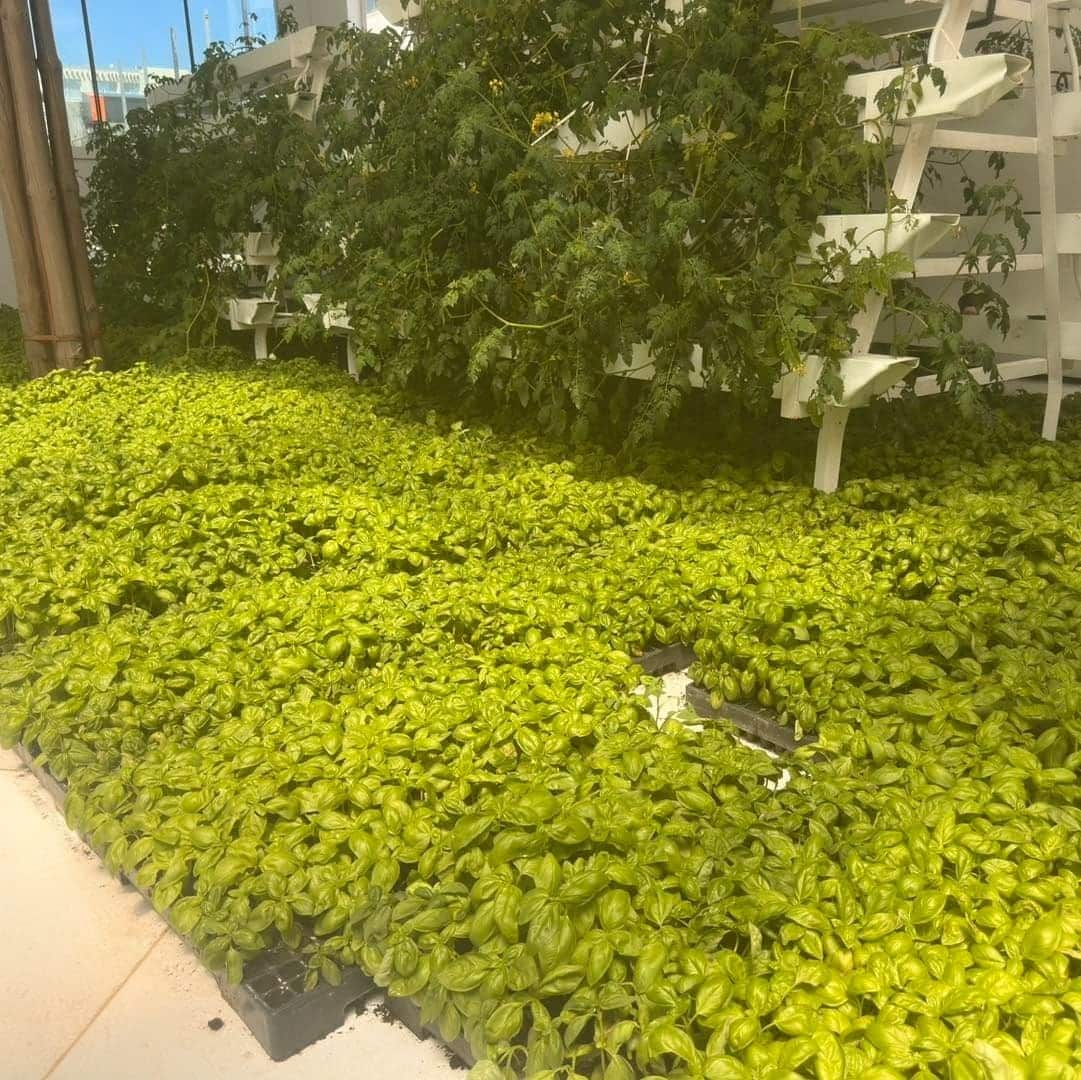
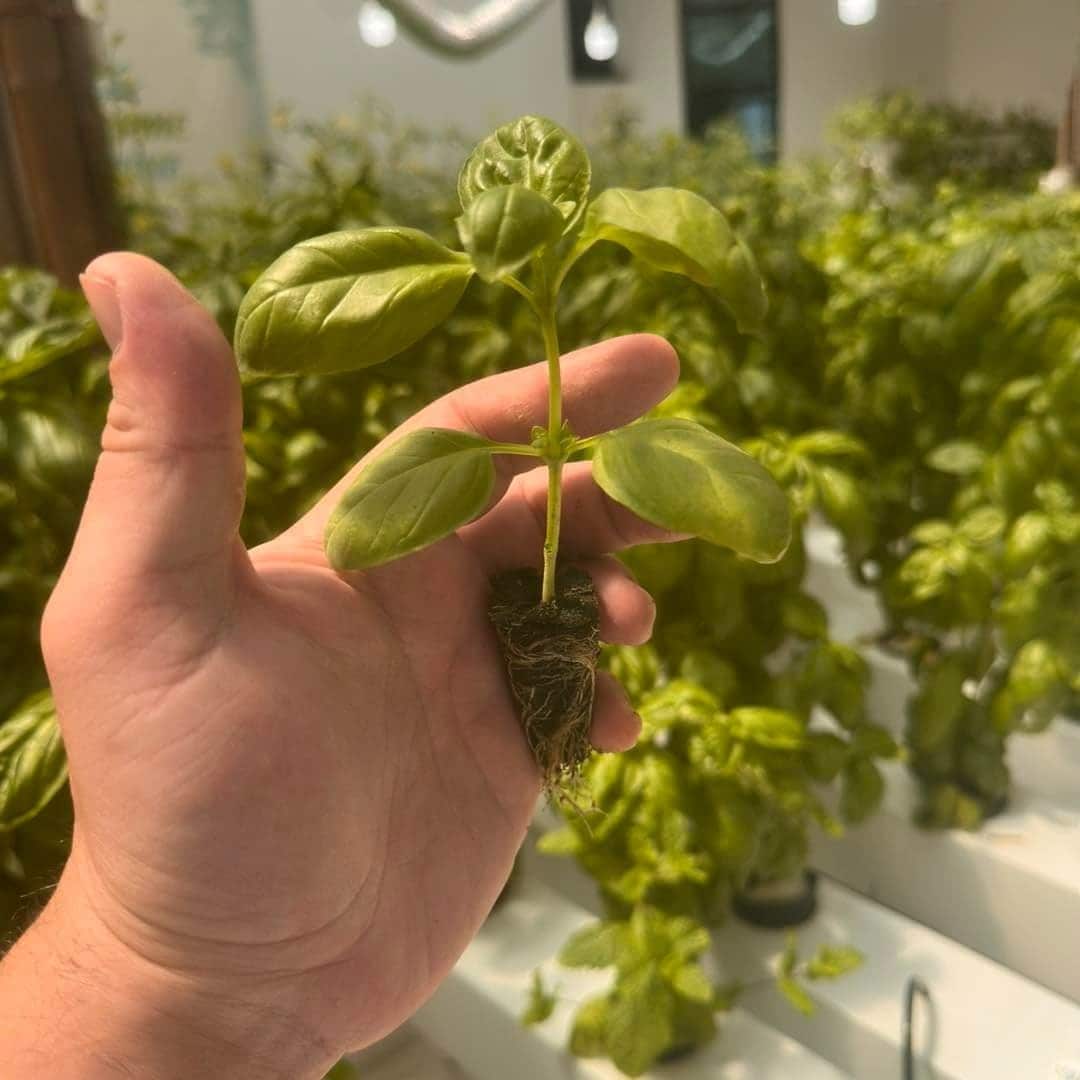
The range of our harvests
Strawberries, cauliflower and lettuce: the NFT system grows far more than basil — shown here in real photos from our greenhouses.
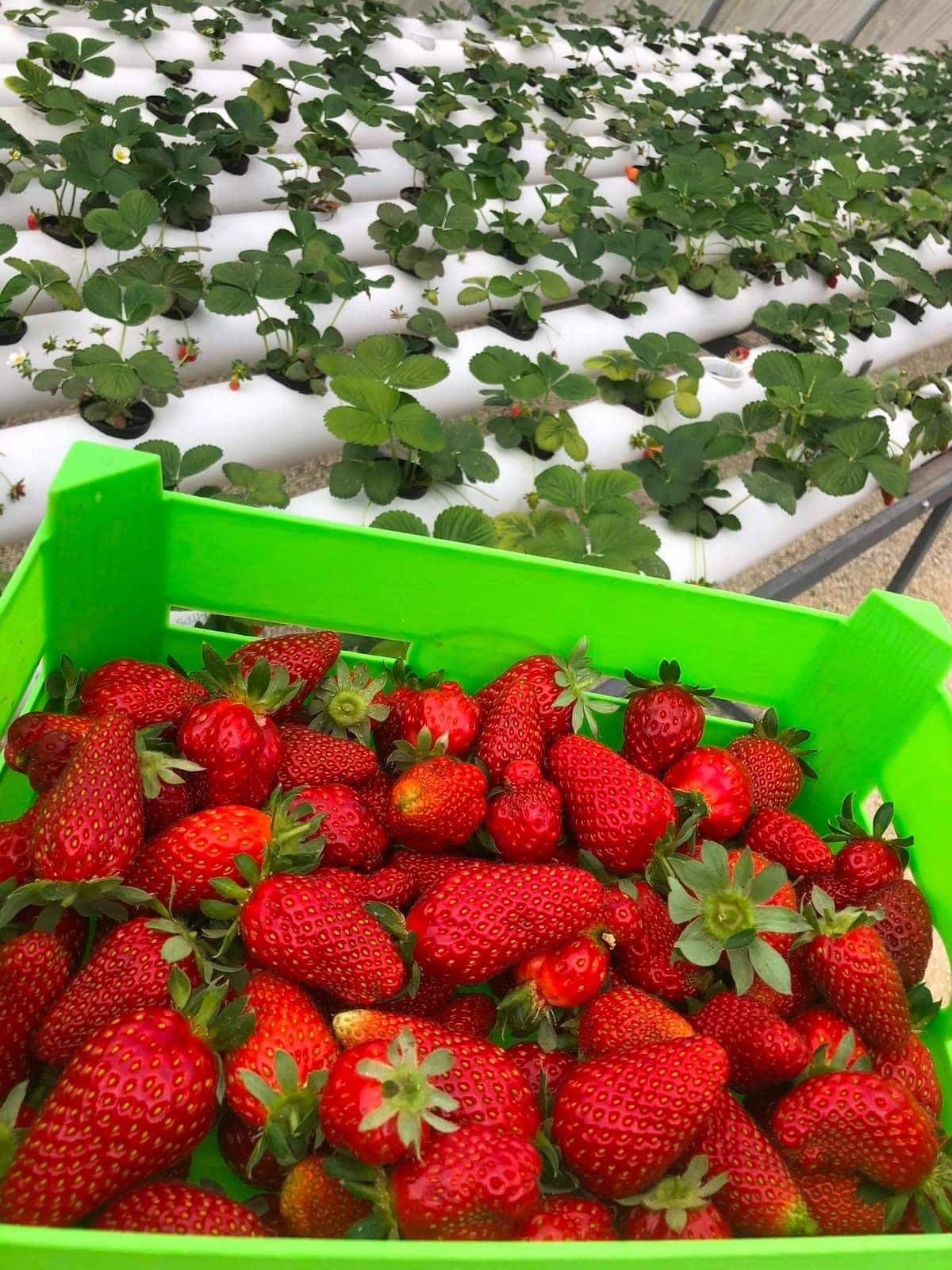
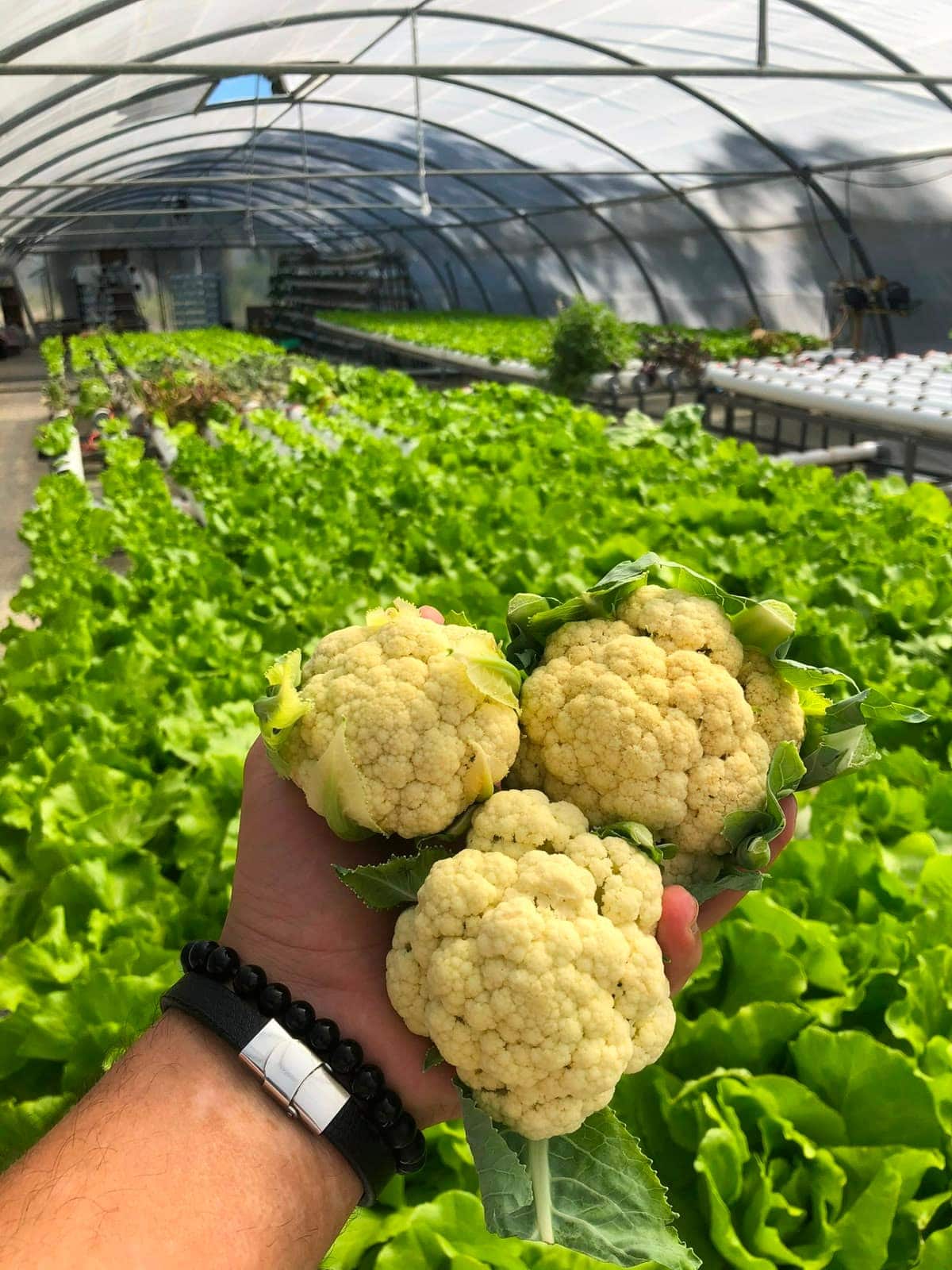
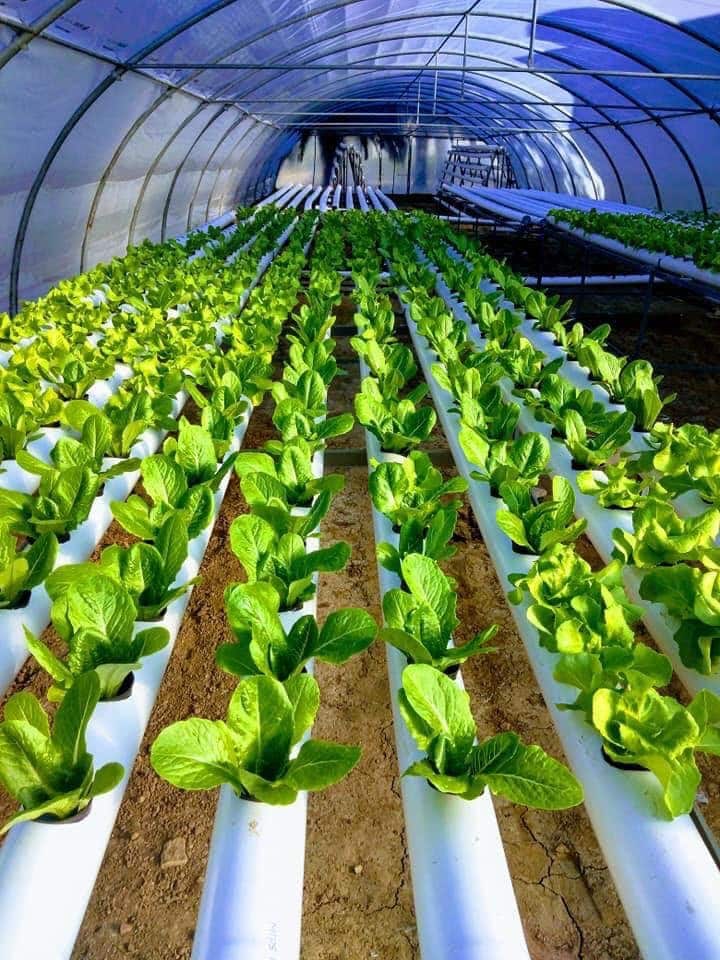
The harvest in pictures
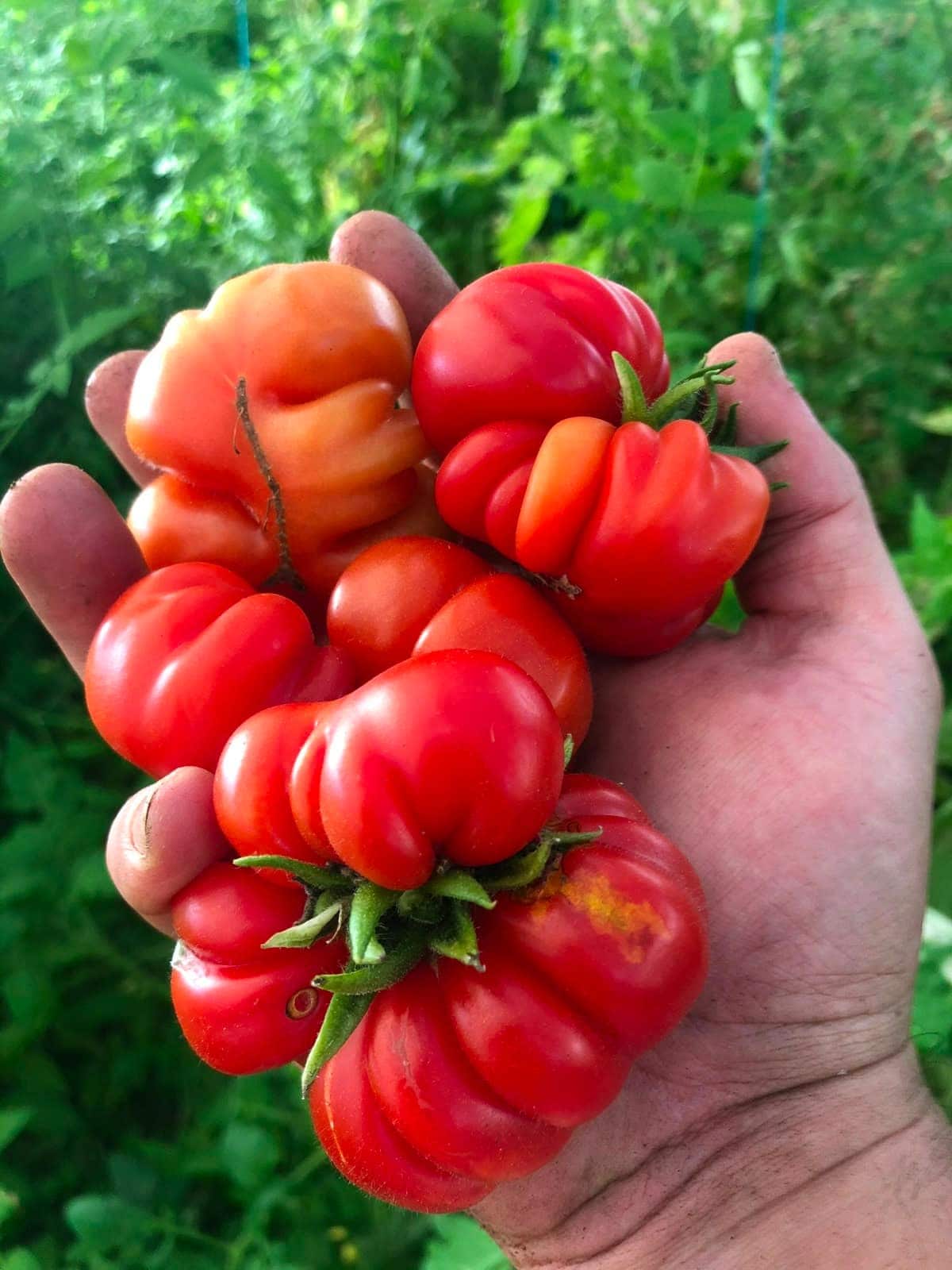
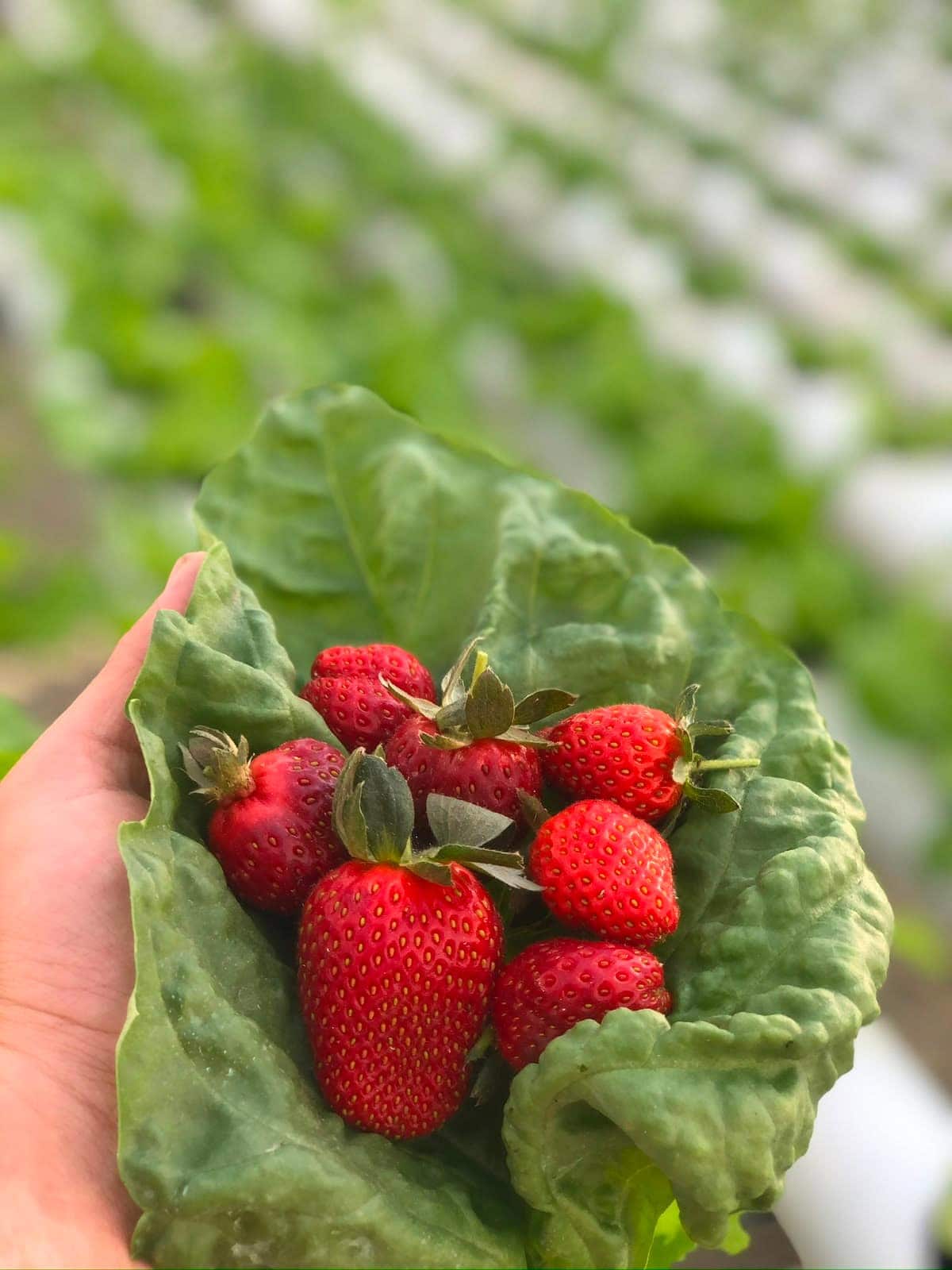
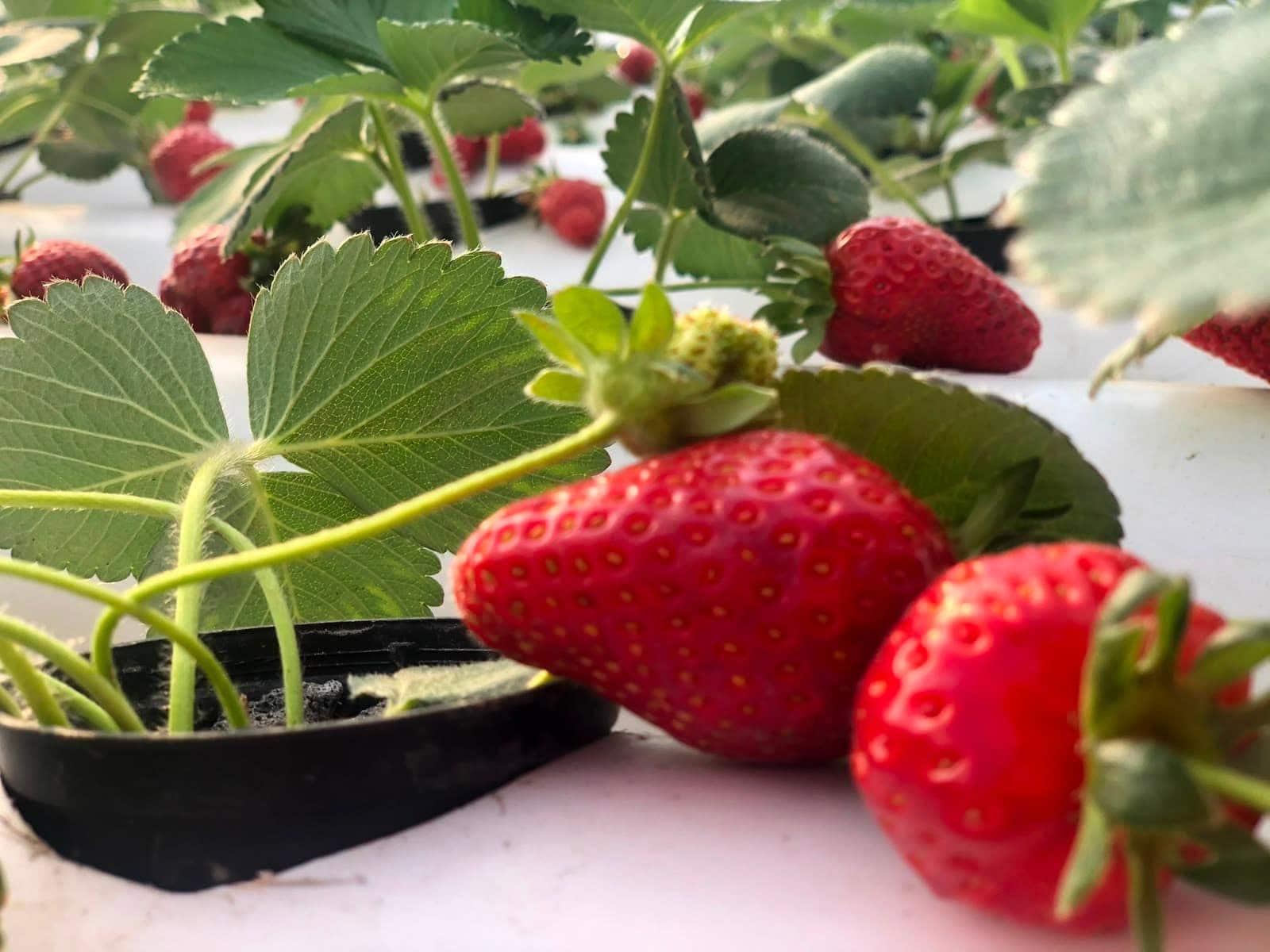
Tomatoes, strawberries and berries grown without soil in our greenhouses.
Yield depends on the size of the greenhouse
Each crop varies with the greenhouse model chosen. Compare the sizes to estimate your production.
Documenting each crop before promising it
Many players promise attractive yields on paper. We do the opposite: we only publish a crop once its figures are verified on our own greenhouses.
Why the NFT system guides the choice of crops
The NFT system, with its thin film of nutrient solution, excels with leafy and aromatic crops with short cycles. These plants quickly make the most of the greenhouse's controlled environment and lend themselves to dense, steady production.
Other crops, such as tomatoes or strawberries, are grown rather on substrate. The choice of system and the choice of crop are therefore inseparable — and that's what guarantees performance.
Basil, our reference crop
Basil combines everything you'd expect from a high-performing hydroponic crop: short cycles, a good yield, controlled management and a guaranteed buy-back at 8 DT/kg that secures the revenue.
That's why it's today our best-documented crop, with yields measured by greenhouse size. Other crops will come to enrich it, to the same demanding standard.
Hydroponic crops grown in NFT
La Ferme Urbaine grows using NFT hydroponics, a soilless method that recirculates the nutrient solution right next to the roots. You get clean, traceable produce available year-round inside a controlled greenhouse.
Why the NFT method
The NFT (Nutrient Film Technique) circulates a thin film of nutrient-enriched water through sloped channels, in direct contact with the roots. The plants always have exactly what they need, with no excess and no water stress. It is a closed system that recycles the solution and sharply limits losses.
This approach is especially suited to short-cycle, shallow-rooted plants. Leafy and aromatic crops find ideal conditions here, because they quickly make use of the water and nutrients supplied to them. You can therefore steer a steady, readable production.
The absence of soil removes much of the usual agronomic uncertainty. You no longer face the constraints of earth, weeding, or soil-borne diseases, and you gain consistency from one harvest to the next.
Leafy and aromatic crops
NFT reaches its full potential with plants that appreciate a continuous, controlled supply. The vertical layout of the installations and the cleanliness of the system make handling easy, from setup right through to cutting.
Each crop under consideration is assessed for both technical fit and commercial value. Here are the criteria we weigh before selecting a species.
- A short, regular production cycle under greenhouse
- Root development suited to NFT channels
- Real, recurring market demand
- Good post-harvest holding and easy transport
- Added value that justifies hydroponic cultivation
Quality and traceability
Growing soilless in a controlled environment yields clean, tidy, uniform produce. You control the inputs, the cleanliness of the leaves, and the presentation, which matters as much for foodservice as for distribution.
The closed loop makes production readable at every stage. You know what your plants receive and you can document your practice, a trust advantage with buyers who are increasingly attentive to origin.
This discipline delivers a consistency that field crops struggle to match, season after season.
Freshness and market outlets
Producing year-round under greenhouse frees you from seasonality and secures your supply. You meet demand as it arises, without depending on weather windows.
The proximity between greenhouse and market shortens the time between cutting and sale. This freshness is a strong commercial argument, valued by chefs, fine grocers, and demanding customers.
How La Ferme Urbaine selects its crops
Basil is our flagship crop: robust in NFT, in high demand, and perfectly suited to steady cultivation. It is the first choice we recommend for a confident start.
Other crops are assessed case by case, depending on your local market, your goals, and the technical constraints. We never promise a species that the agronomic or commercial reality would not support.
Our 3-year agronomic follow-up and the associated training help you refine these choices over time, to build a coherent and profitable operation.
Frequently asked questions
Which crops can you grow in hydroponics?
Leafy and aromatic crops with short cycles (like basil) are the best suited to the NFT system. Others, such as tomatoes or strawberries, are grown rather on substrate.
What is your most documented crop?
Basil: yield, cycle and profitability are verified on our own greenhouses, with a guaranteed buy-back at 8 DT/kg.
Why do you only offer one crop for now?
Because we only publish a crop once its yield data is validated on our greenhouses. Other crops will follow basil.
Does the crop affect profitability?
Yes, strongly: the yield, the cycle and the buy-back price vary by crop. That's why we move forward crop by crop, with real data.
Can you grow tomatoes or strawberries?
Yes, but rather on substrate than on NFT. Our current offer focuses on leafy and aromatic crops like basil.
Does basil grow all year round?
Under a greenhouse and in the NFT system, basil production is spread across the year, with short, regular cycles.
Is the buy-back of the production guaranteed?
Yes: basil is bought back at 8 DT/kg, a guaranteed price that secures revenue from the very first harvest.
What yield for basil?
About 2,900 kg/year for a 200 m² greenhouse and 7,250 kg/year for 500 m², depending on crop management.
How do I choose the crop suited to my project?
We discuss it during the study: the target crop, the commercial outlet, the greenhouse size and the expected profitability are examined together.
Do you provide support on crop management?
Yes: initial training, monthly sessions and five years of agronomic follow-up are part of the turnkey offer.