
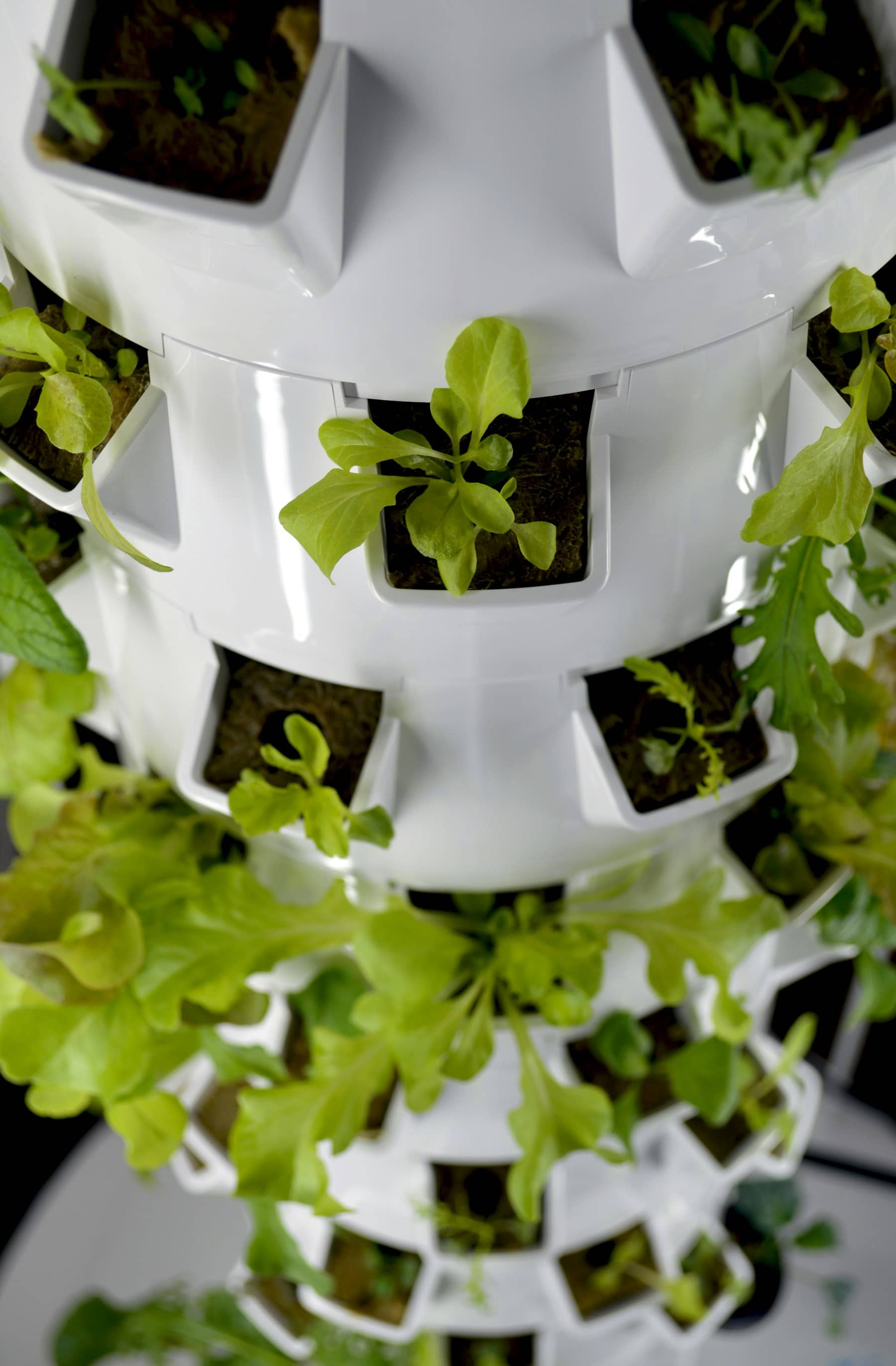
Hydroponics isn't complicated, but it is demanding on a few specific points. Most beginners' disappointments come from avoidable mistakes. Here are seven of them, and how to steer clear.
1. Neglecting the nutrient solution
The pH and concentration (EC) of the solution determine the health of the plants. Letting them drift is the number-one mistake. It's something to monitor regularly — we devote a full article to it: the nutrient solution in hydroponics.
2. Choosing an unsuitable crop
Not every plant is suited to the NFT system. Short-cycle leafy greens and herbs, such as basil, perform best. See which crops are profitable in hydroponics.
3. Undersizing the project
A greenhouse too small for its goals, or poorly sized for the plot, drags down profitability. The right sizing is decided upstream — that's the role of the feasibility study.
4. Neglecting circuit maintenance
The pump, channels and reservoir must stay clean. A clogged circuit reduces yield and causes breakdowns. Maintenance is one of the practices taught during training.
5. Training on theory alone
Reading isn't enough: hydroponics is learned by doing. That's why our training takes place in real greenhouses, not on slides.
6. Ignoring the available subsidy
Many give up for lack of budget without knowing that the AIPIA subsidy can cover up to −55% in Tunisia. Failing to plan for it means missing out on a major lever.
7. Facing problems alone
The first seasons are the trickiest. Agronomic support keeps small problems from turning into big losses — which is why ours runs for five years.