
La Ferme Urbaine

Crops · 6 min read

Which crops are the most profitable in hydroponics?

Updated on July 30, 2026

Not all crops are equal in hydroponics. The choice of plant determines the yield, the speed of the cycles and, ultimately, profitability. So which ones should you favour?

Leafy greens and herbs: the champions of NFT

The NFT system excels with short-cycle leafy and aromatic crops. They grow fast, are harvested often and make the most of the greenhouse's controlled environment. Basil is the textbook example — see the basil crop profile.

Basil, our best-documented crop

Basil combines a good yield, short cycles and a guaranteed buy-back at 8 DT/kg. A 200 m² greenhouse targets 2,300 kg per year. That's why it is now our reference crop, with figures verified on our own greenhouses.

What really drives profitability

A crop is only profitable if three conditions are met: a good yield, a fast cycle, and a reliable commercial outlet. The guaranteed buy-back answers the third point. The full calculation appears in our article on the profitability of a greenhouse.

Frequently asked questions

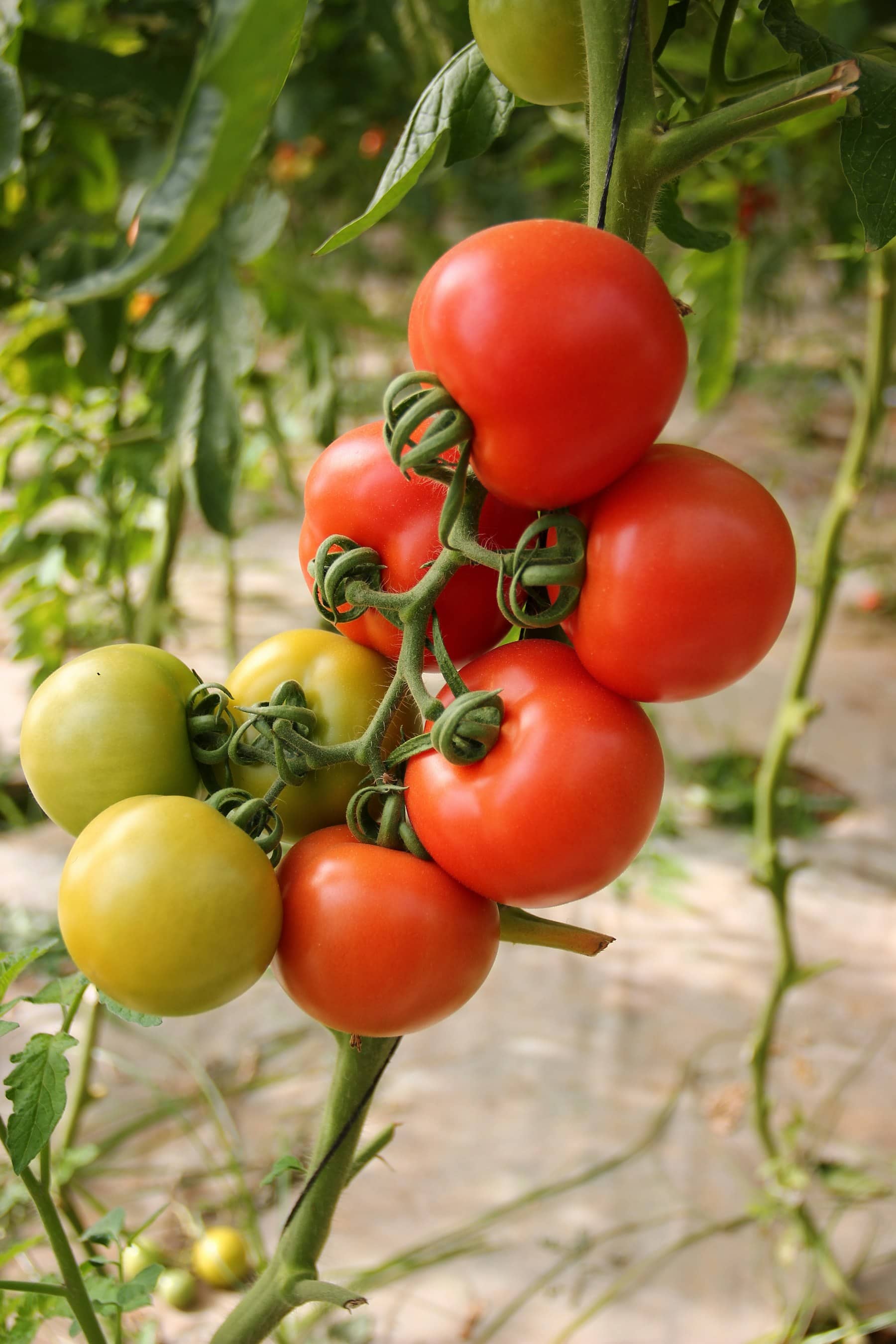
Can tomatoes or strawberries be grown in hydroponics?

Yes, but on substrate rather than NFT. Our offering currently focuses on leafy and aromatic crops such as basil.

Why is basil highlighted?

Because it's the crop whose yields and profitability we have validated on our own greenhouses, with guaranteed buy-back.

What makes a crop profitable in hydroponics?

Three conditions: a good yield, a fast cycle and a reliable commercial outlet. The guaranteed buy-back answers the third point.

Are herbs more profitable than vegetables?

Short-cycle herbs and leafy greens make excellent use of the NFT system, which makes them particularly well-suited crops.

Will you offer other profitable crops?

Yes: other crops will be added as their yield data is validated on our greenhouses.

Read next

A project in mind?

Tell us about your land and your goals — reply within 48h.