You can buy the best greenhouse in the world: without knowing how to run it, it won't deliver its results. Training is the often-underestimated link in a hydroponic project. Here's what a good training course should provide.
Theory and practice, not one without the other
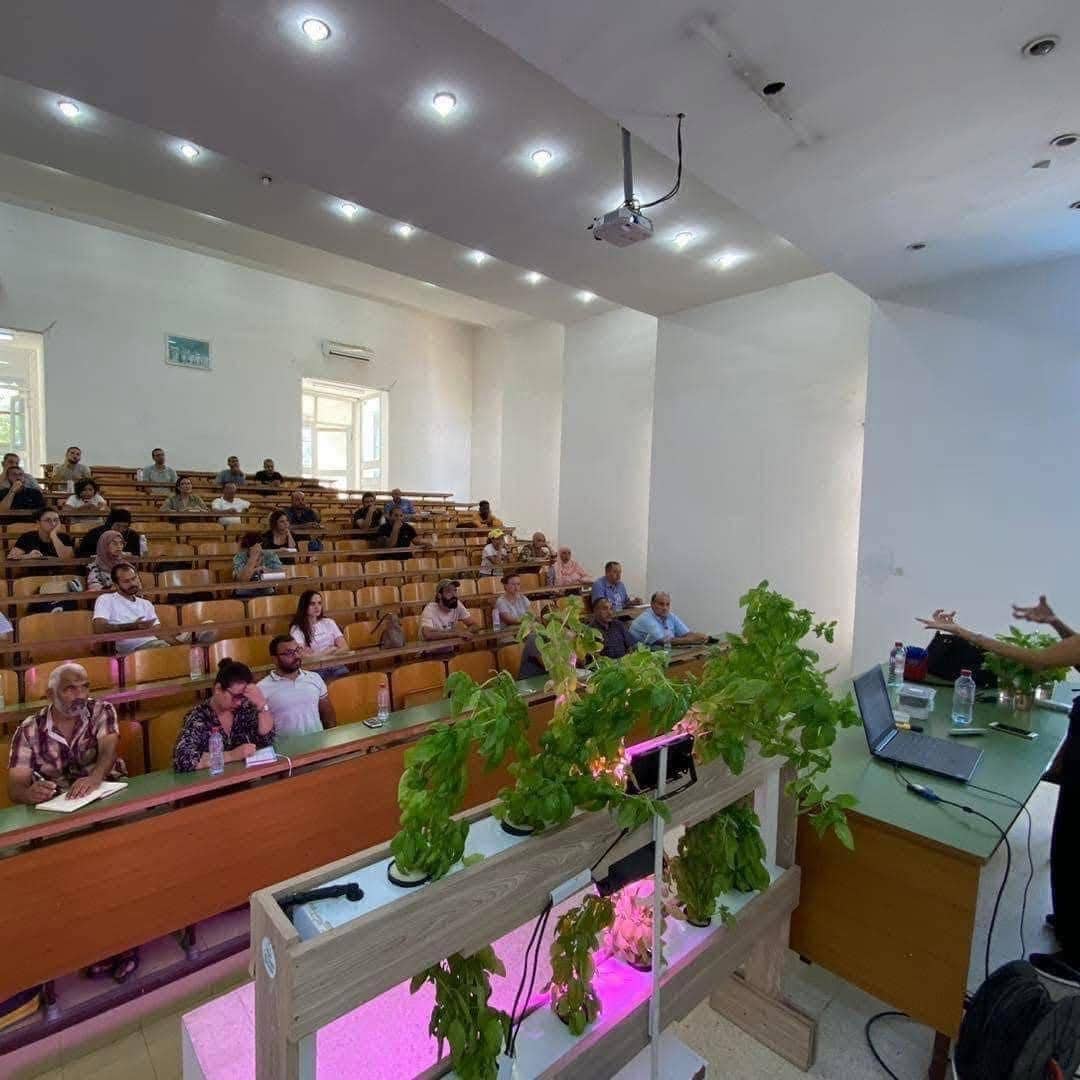
Understanding the principles (nutrient solution, cycles, systems) is necessary, but not enough. Hydroponics is learned by doing. That's why our training takes place in real greenhouses, with hands-on practice — and not on slides.
What a training course should cover
- Transplanting and pruning the plants.
- Balancing the nutrient solution (pH, EC).
- Maintaining the NFT system and the hydraulic circuit.
These are precisely the three tasks that make an NFT system succeed. The nutrient solution, in particular, deserves special attention — we devote a dedicated article to it.
Certification and support
A certificate of participation adds value to the training, but the real guarantee of success is ongoing support. For our installer clients, agronomic support runs for five years, well beyond the initial session.